 Skip to content
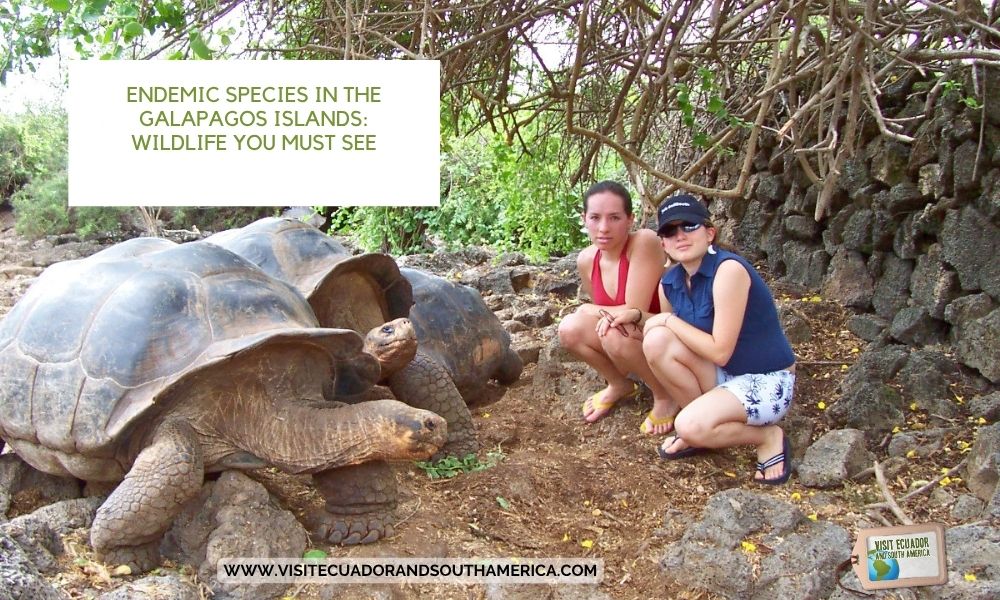
Endemic Species in the Galapagos Islands: Wildlife You Must See
The Galapagos Islands are one of the world’s most extraordinary wildlife destinations, famous for animals that evolved in isolation and can be found nowhere else—or, in some cases, as unique endemic subspecies found within the archipelago. From enormous Galapagos giant tortoises and marine iguanas to playful sea lions, penguins and Darwin’s finches, encountering this wildlife in its natural environment is an unforgettable travel experience.
In this guide, we’ll explore some of the most fascinating endemic species in the Galapagos Islands, where you may encounter them, what makes them special, and how to enjoy these incredible animals while helping protect the fragile ecosystem they call home.
About the Galapagos Islands
Nestled in the Pacific, the Galapagos Islands are a living laboratory of evolution. Charles Darwin’s footsteps echo here, where the theory of natural selection unfolded. The islands boast numerous endemic species, making it a must-visit for those seeking a profound connection with nature.
© Carmen Cristina Carpio Tobar
Why Are So Many Galapagos Species Endemic?
The Galapagos Islands developed in geographic isolation, allowing plants and animals that arrived there to evolve in unique ways over long periods of time.
This isolation is one of the reasons the islands became so important to the study of evolution and natural selection.
Today, protecting these species is particularly important because island ecosystems are vulnerable to introduced species, habitat changes, climate pressures and other human impacts. Research on Galapagos biodiversity highlights the importance of biosecurity and conservation in protecting endemic wildlife.
Why Visit Galapagos:
Discover the allure of the Galapagos Islands, where nature reigns supreme. Explore pristine landscapes, witness incredible wildlife, and partake in eco-friendly adventures.
Getting there
I personally recommend using Expedia to save some bucks.
Now, without further ado, the best way to get a close encounter with five endemic species of the Galápagos Islands.
Book a tour
Booking a tour to the Galapagos Islands, will ease communication barriers, allow you to gain inside knowledge, and avoid the hassles of planning and logistics. You will be sure about where you are going and what you are doing, seeing, and learning. By filling out this form I will be able to start working on your perfect trip to the Galapagos Islands.

Share your pictures with our community, tag #VisitSAmerica
Exploring Endemic Species in the Galapagos Islands
It is important to note that some species are native but also occur elsewhere, while others have endemic subspecies.
-
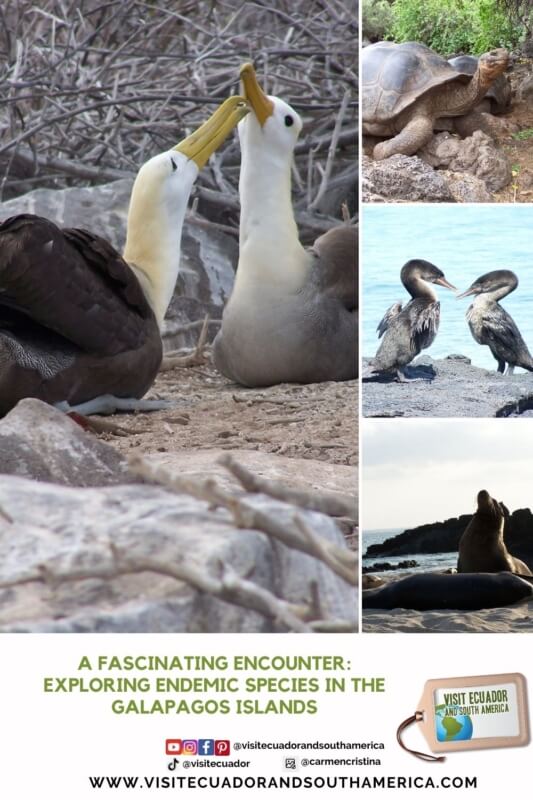
Galapagos giant tortoise
-
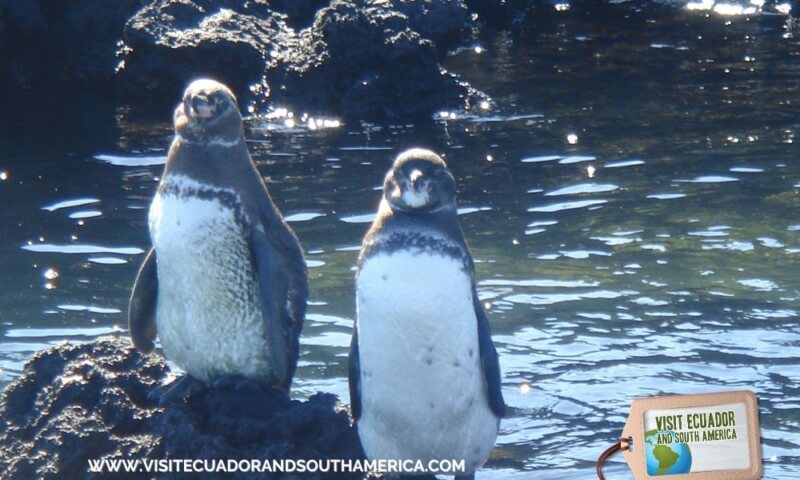
Galapagos penguins
-
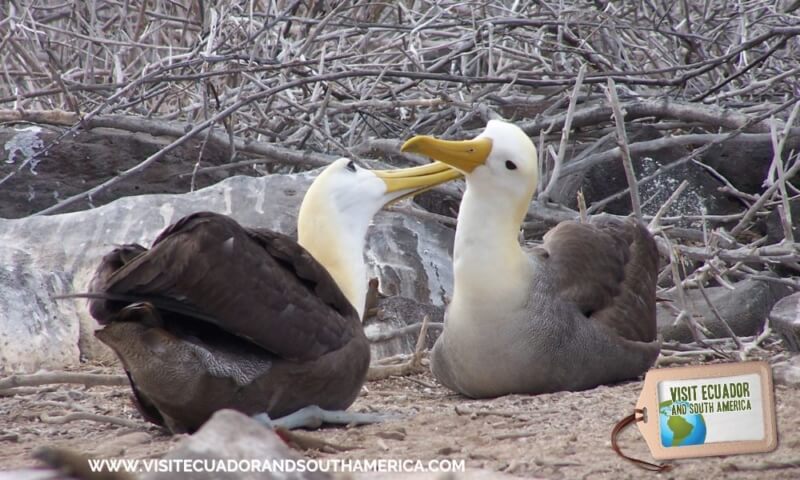
Waved albatross
-
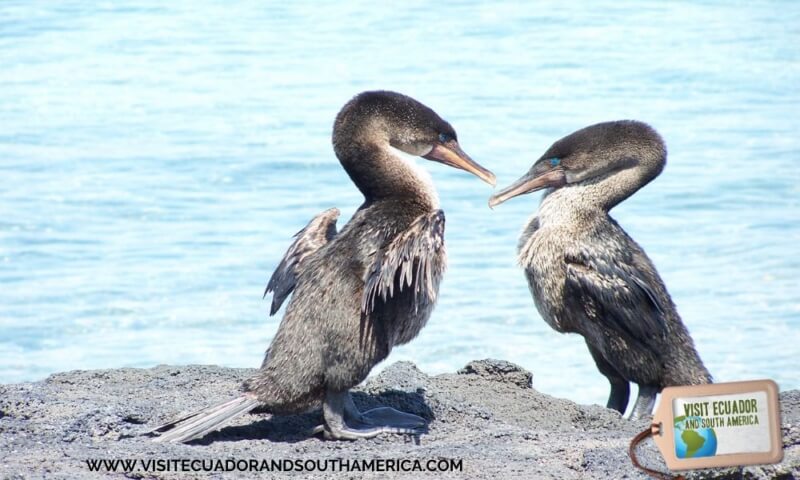
Flightless cormorant
Galapagos, Ecuador / #visitsamerica /www.visitecuadorandsouthamerica.com © Carmen Cristina Carpio Tobar
-
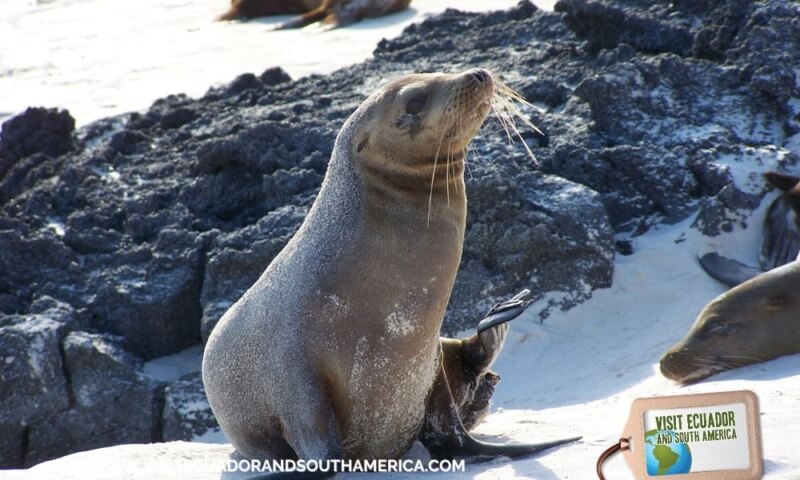
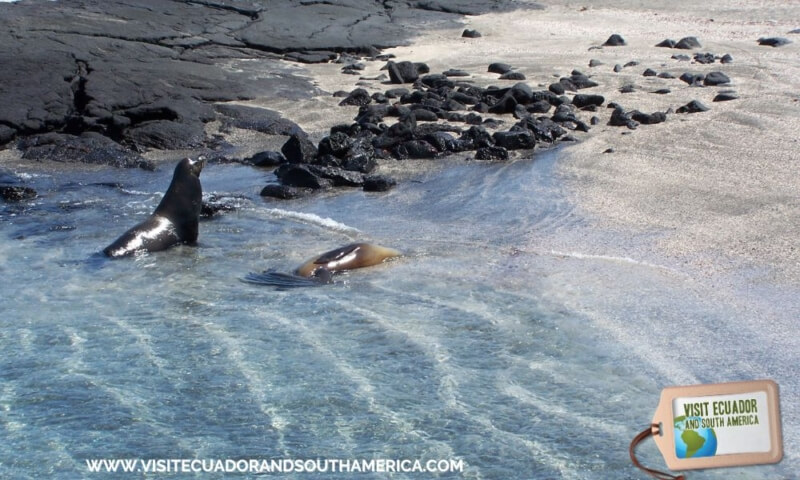
Galapagos sea lions
For an unforgettable experience, embark on a day tour to the enchanting La Loberia, a smaller island where you can engage in snorkeling alongside friendly sea lions. These Galapagos-specific species, known as Zalophus wollebaeki, can be easily spotted on various islands. Engage in the playful world of these marine companions, creating lasting memories of your Galapagos adventure.
-
Galapagos Land iguana
The yellowish Galapagos land iguana is another spectacular reptile to look for during wildlife excursions.
Its appearance and behavior are very different from those of the marine iguana, making it an interesting comparison when exploring the islands.
-
Darwin’s finches
Darwin’s finches are among the most famous examples of evolution associated with the Galapagos.
Different species developed different characteristics and feeding strategies, making them particularly interesting for travelers interested in natural history and evolution.
-
Galapagos hawk
The Galapagos hawk is one of the archipelago’s distinctive birds of prey. Spotting one can be a particularly rewarding experience for birdwatchers.
-
Galapagos fur seal
Galapagos fur seals can sometimes be seen resting along rocky coastlines and beaches.
They are another reminder of how diverse the archipelago’s marine ecosystem is.
-
Galapagos Lava Lizard
These small reptiles are much easier to overlook than the giant tortoises or sea lions, but they are fascinating examples of Galapagos evolution.
Take your time when walking through natural areas and look closely—you may discover wildlife that isn’t immediately obvious.
How to See Endemic Species in the Galapagos
There are two main approaches to exploring the Galapagos.
A land-based trip can be an excellent choice for travelers who want more flexibility and potentially lower accommodation costs. You can stay on inhabited islands such as Santa Cruz, Isabela or San Cristobal and arrange day trips.
A Galapagos cruise offers a different experience. Cruises can reach places that are more difficult to visit independently and allow travelers to spend more time exploring remote areas.
If you’re trying to decide which approach fits your trip, read our guide to [exploring the Galapagos on a budget] and our guide explaining [why a Galapagos cruise can be worth considering].
Find out why you should plan your Honeymoon to the Galapagos Islands and
Top 5 Attractions in Santa Cruz Island:
- Marvel at the iconic Giant Tortoise Reserve.
- Snorkel alongside vibrant marine life at Las Grietas.
- Visit the Charles Darwin Research Station.
- Hike through lush highlands to Los Gemelos.
- Relax at Tortuga Bay’s pristine beaches.
Day Tours from Santa Cruz:
- Dive into marine wonders with a trip to Bartolome Island.
- Explore the mystical lava tunnels of Santa Cruz.
- Witness the vibrant marine life at Seymour Norte.
Need help booking these and other tours in the Galapagos Islands, click here so I can help you!

Top 3 Hotels in Santa Cruz Island:
- Hotel Paradise Galapagos (Booking Link) A beachfront oasis offering modern amenities and personalized service.
- Plaza Luna Suites (Booking Link) Immerse yourself in nature at this eco-friendly retreat with stunning views.
- Royal Palm Hotel (Booking Link) Experience luxury in the heart of nature, surrounded by lush landscapes.
-
Related Galapagos & Ecuador Guides
Before or after your wildlife adventure, explore more of our Ecuador travel guides:
- [Our complete 2-week Ecuador itinerary] — combine Quito, Otavalo, Mindo, Cuenca, the Amazon and Galapagos in one trip.
- [What to buy in Ecuador: Must-have artisanal souvenirs] — discover Ecuadorian crafts, textiles, tagua, alpaca products and other memorable souvenirs.
- [Our Ecuador food guides] — discover traditional dishes and regional specialties to try during your trip.
- [Quito to Otavalo road trip] — combine Galapagos with an Andean adventure through Otavalo and Ibarra.
- [Quito to Cuenca road trip] — continue south through Ecuador’s Avenue of the Volcanoes.
- [Quito to Mindo] — add cloud-forest wildlife and birdwatching to your Ecuador itinerary.
- [Best nature day trips from Quito] — useful if Quito is your mainland base before or after Galapagos.
Our two-week itinerary already incorporates Galapagos as an extension to a mainland Ecuador itinerary and specifically discusses both cruise and budget-friendly approaches.
Where to Go After the Galapagos Islands
1. Quito
Why visit next: Quito is the easiest choice if you want to combine your Galapagos wildlife adventure with Ecuadorian history, architecture and Andean scenery.
Explore the UNESCO-listed historic center, La Compañía de Jesús, the Basilica, viewpoints and the Middle of the World area.
Our [Quito travel guides] can help you plan the next part of your Ecuador adventure.
2. Cuenca
Why visit next: Cuenca is a beautiful colonial Andean city and a wonderful contrast to the volcanic landscapes and wildlife of Galapagos.
Spend time exploring the historic center, traditional markets, churches and local food before visiting nearby attractions such as Cajas National Park.
If you’re traveling overland after returning to mainland Ecuador, our [Quito to Cuenca road trip guide] is useful for planning the journey. The route covers approximately 432 km and can be traveled by bus or road trip.
Conclusion
A Fascinating Encounter: Exploring Endemic Species in the Galapagos Islands. From the ancient Giants, and the giant tortoises, to the agile and playful sea lions, each of these creatures has left an indelible mark on our hearts and minds. The Galapagos Islands continue to be a haven for conservationists, scientists, and nature enthusiasts alike, showcasing the importance of protecting these unique ecosystems for future generations.
The Galapagos Islands unveils a world of wonder and awe as we explore these extraordinary species. Join us in preserving and appreciating the unique biodiversity of this enchanted archipelago.
Have you included a visit to the Galápagos Islands on your bucket list?
If you have ever dreamed of exploring the enchanting Galapagos Islands it’s not just a dream anymore! As someone who fell head over heels for the unique charm of these islands, I decided to bring that magic to you, by joining an amazing tour operator. By filling out this form I will be able to start working on your perfect trip to the Galapagos Islands.
PIN IT FOR LATER
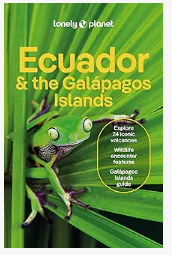 If you want more in-depth information and also a guide that you can bring along during your trip, I recommend the travel guide Lonely Planet Ecuador & the Galapagos Islands
It is a great source of information and tips, maps, and all you need if you plan on visiting Ecuador. I like the option of having a hard copy version where I can take notes and have them at hand.
Don´t just dream it, make it happen. Plan your South American trip with a local!
Take a look at this list of travel resources to plan your trip and travel in South America.
Daydreaming about your trip to South America? Order here your Free Ebook, I share with you some useful tips & resources for a memorable trip!
Finally, I would like to invite you to follow me on Facebook, Twitter, Pinterest, and Instagram. In addition, you can subscribe on YouTube.
Send me an email for help planning your trip: info(at) visitecuadorandsouthamerica(dot)com




8 Responses
I never really made a bucket list of places i want to visit. Galapogos is one I saw on TV but never imagined going there. The pictures look amazing!
This looks like such an awesome place to visit and explore. You saw some amazing species out there!
Ever since I laid my eyes on a real live Galapagos turtle, I knew that i had to visit the place where they originated from. Seeing this post really makes me wish I can go there this instant, beautiful creatures!
Oh how fun! What a beautiful island and so cool to come up and so close to the animals like that.
Galapagos Island is so beautiful. Its on my bucket list of places that I need to go to.
Wow! What a beautiful adventure. 🙂 And great photos too. My family and I go on trips every year. I’ll definitely bring this up as a talking point. I know my nephew would love it!
Wow! This is such a nice place to visit and it is really a great family adventure most especially for kids. I am sure my daughter will love seeing this animals especially the giant tortoise, sea lion and the penguins.
oh my word my oldest would love this adventure. Shes an animal lover and is basically a walking talking animal planet.